The science of Assembly: needs, not labels
Why Assembly focuses on a child's needs rather than diagnostic labels, the neuroscience of neuroplasticity, early targeted support, and parents as the key agents of change.
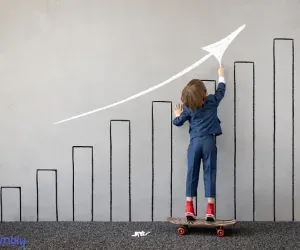
Understanding neuroplasticity and child development
Children’s brains are incredibly adaptable, with high neuroplasticity that allows them to develop and learn new skills quickly. However, the areas responsible for impulse control, emotional regulation, and understanding social interactions don’t fully mature until adulthood. This is why many children struggle with focus, emotional management, and problem-solving.
Traditional diagnostic models often focus on specific disorders, but neuroscience shows that developmental challenges span multiple dimensions. Therefore, a child’s difficulties should be seen as part of a broader pattern, rather than isolated symptoms that must meet strict clinical thresholds.
Early, targeted support without a diagnosis
Many children experience challenges without meeting the criteria for a formal diagnosis. Whether due to genetic or environmental factors, some children develop at a different pace, leading to difficulties at school or home. Despite this, overstretched systems often deny support unless a diagnosis is given.
Assembly recognises that every child has unique needs, regardless of labels. Our approach maps those needs holistically rather than waiting for formal assessments, so support can start where it’s needed most.
Parents as the key to change
Parents play the most crucial role in their child’s development. They observe behaviours in real-life settings and can create supportive environments tailored to their child’s needs. Research consistently shows that parental involvement is one of the most effective ways to foster behavioural and emotional growth.
Assembly gives parents a clear, clinically grounded picture of their child’s strengths and needs, and practical strategies to act on it. Whether a child has a formal diagnosis or not, the right support, modelled after approaches used by clinicians, can make a significant difference.
A complementary approach
For children with diagnoses such as ADHD, autism, dyspraxia or dyslexia, Assembly complements traditional interventions like speech and language therapy and occupational therapy. Our needs-based framework integrates insights from experienced clinicians to help children thrive across multiple developmental dimensions.
With the right guidance and support, every child has the potential to grow.
Your child doesn't need a diagnosis to get support
Start with a free profile. See what we find. Go from there.
Start your child's free profileTakes about 20 minutes · Free · No referral needed